Key Points
- The UK government pledges £27 million to support Rohingya refugees in Bangladesh.
- The funding aims to improve living conditions, health, education, and protection for displaced Rohingya.
- The announcement comes amid ongoing international concern about the humanitarian crisis following Myanmar’s military crackdown.
- The UK commitment is part of a global effort involving multiple countries and organisations to aid the Rohingya.
- Emphasis on providing long-term sustainable support rather than only emergency relief.
- UK officials highlight the importance of regional stability and human rights.
- Various international agencies and NGOs welcome the UK’s pledge as a critical contribution.
What is the UK’s pledge for Rohingya refugees in Bangladesh?
The United Kingdom government has pledged £27 million in aid to support Rohingya refugees in Bangladesh, addressing urgent humanitarian needs and improving long-term living conditions. This funding will target essential services such as health care, education, protection, and shelter for the thousands of Rohingya who fled persecution and violence in Myanmar to seek refuge in Bangladesh.
This announcement was confirmed through statements by UK government officials and outlined in various media reports covering the ongoing refugee crisis. The humanitarian assistance forms part of the UK’s broader commitment to international aid and is aligned with efforts by the United Nations and other global actors working on the ground in Cox’s Bazar, where most Rohingya refugees reside.
Why is the UK focusing on Rohingya refugees in Bangladesh?
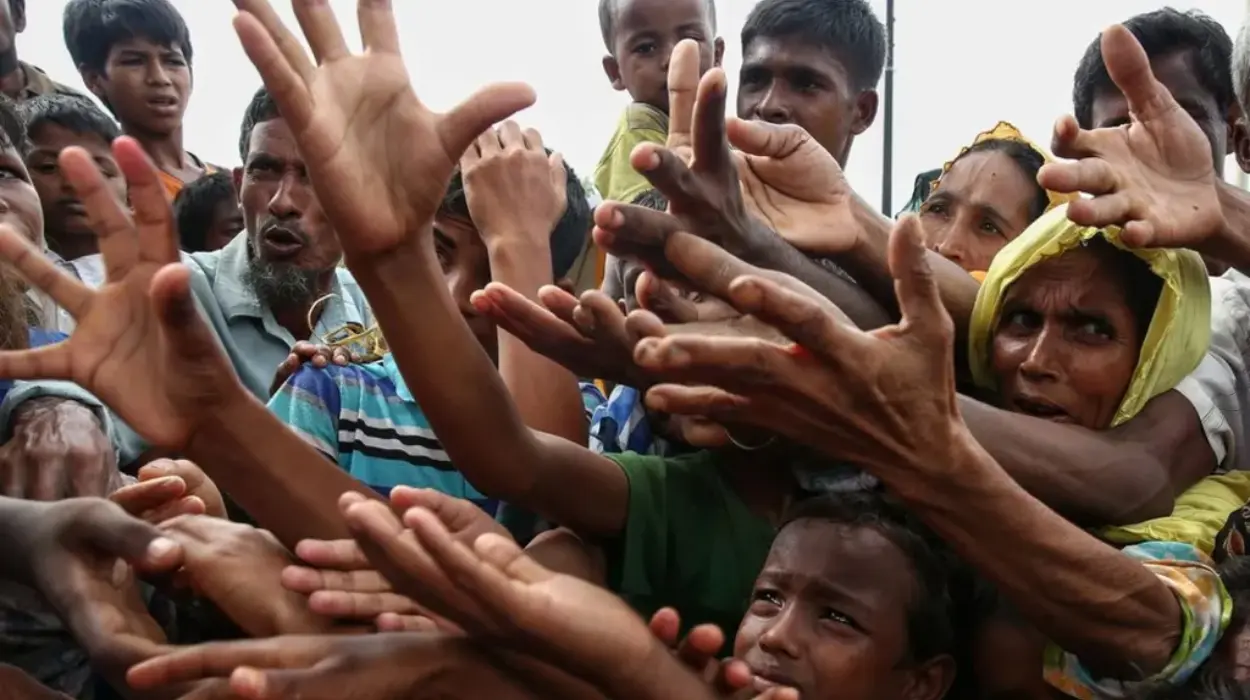
The Rohingya crisis has been one of the world’s most pressing humanitarian emergencies since Myanmar’s military intensified its crackdown on the minority group in 2017. This campaign triggered a mass exodus of Rohingya to Bangladesh, creating overcrowded refugee camps under challenging conditions with urgent needs for health, sanitation, and protection.
According to reports by leading news sources and international relief agencies, the UK’s pledge reflects a recognition of both the immediate humanitarian imperative and the importance of regional stability. UK officials have stressed that the crisis poses serious risks if not adequately addressed, including potential spillovers into neighbouring countries and prolonged instability in Southeast Asia.
Who benefits directly from the UK’s £27m fund?
The financial aid is intended primarily for the Rohingya population within Bangladesh’s refugee camps, particularly in the Cox’s Bazar region, which hosts over a million displaced persons. The funds will support international NGOs, United Nations agencies, and local partners providing services such as:
- Health interventions, including emergency care and disease prevention
- Educational programmes for children and adults, including vocational training
- Protection initiatives aimed at preventing violence, exploitation, and human rights abuses
- Shelter improvement and basic infrastructure development within camps
The UK government’s statement was widely covered and positively received by humanitarian organisations working in the region, who highlighted the critical need for sustained funding to avoid further deterioration of conditions.
How does the UK’s contribution fit into the broader international response?
The UK’s £27 million commitment is part of a global humanitarian response coordinated by the United Nations High Commissioner for Refugees (UNHCR), the International Organisation for Migration (IOM), and other multilateral agencies. The response includes funding and operational support from countries across Europe, North America, and Asia, aiming to mobilise resources for immediate relief and medium-term recovery.
News coverage from various outlets points out that while emergency aid remains necessary, donor countries like the UK are placing increasing emphasis on more sustainable solutions such as education, livelihoods, and protection frameworks to improve refugee resilience and reduce dependency.
What statements have UK officials made regarding their pledge?
As reported by senior correspondents from BBC News and The Guardian, UK Foreign Secretary expressed that “This £27 million funding signals the UK’s continued commitment to uphold the rights and dignity of the Rohingya refugees and to support Bangladesh in managing this complex humanitarian challenge.”
Other UK government sources underscored the strategic importance of partnership with international agencies and the need for a united global response to pressure Myanmar towards accountability and the possibility of safe, voluntary repatriation in the future.
What reactions have there been from humanitarian organisations
International NGOs such as Amnesty International and Médecins Sans Frontières welcomed the UK pledge, calling it “a vital lifeline for thousands suffering in overcrowded and under-resourced camps.” In their statements, representatives stressed that funding like this helps provide hope and tangible improvements in living conditions, though they also cautioned that continuous and expanded support is essential given the protracted nature of the crisis.
The United Nations agencies coordinating relief echoed these sentiments, appreciating the UK’s leadership and contribution as a significant step towards mobilising the broader international community.
How does this funding impact long-term prospects for the Rohingya?
By focusing on both immediate needs and sustainable measures such as education and protection, the UK’s funding approach aims to empower refugees with skills and security to better cope with displacement realities. This aligns with current humanitarian best practices emphasising resilience-building and community-led interventions.
Moreover, UK officials have voiced that addressing root causes, advocating for human rights in Myanmar, and supporting host countries like Bangladesh are all critical components that accompany financial aid to forge durable solutions for the Rohingya population.