Key Points
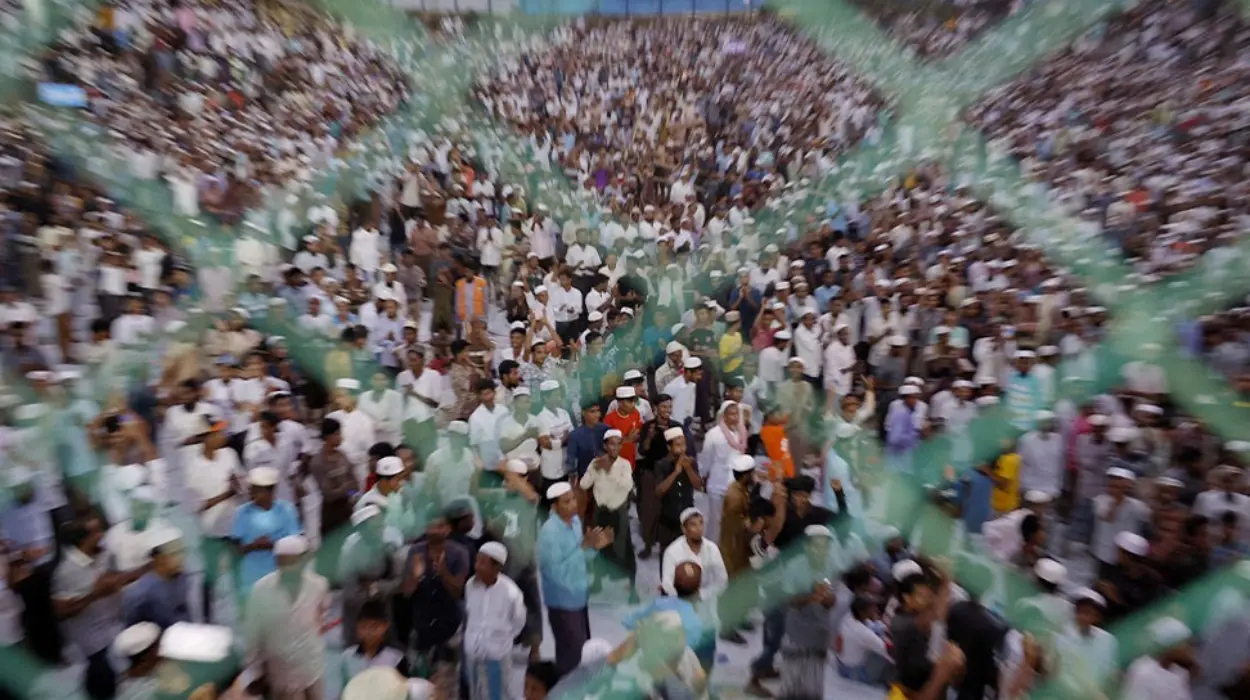
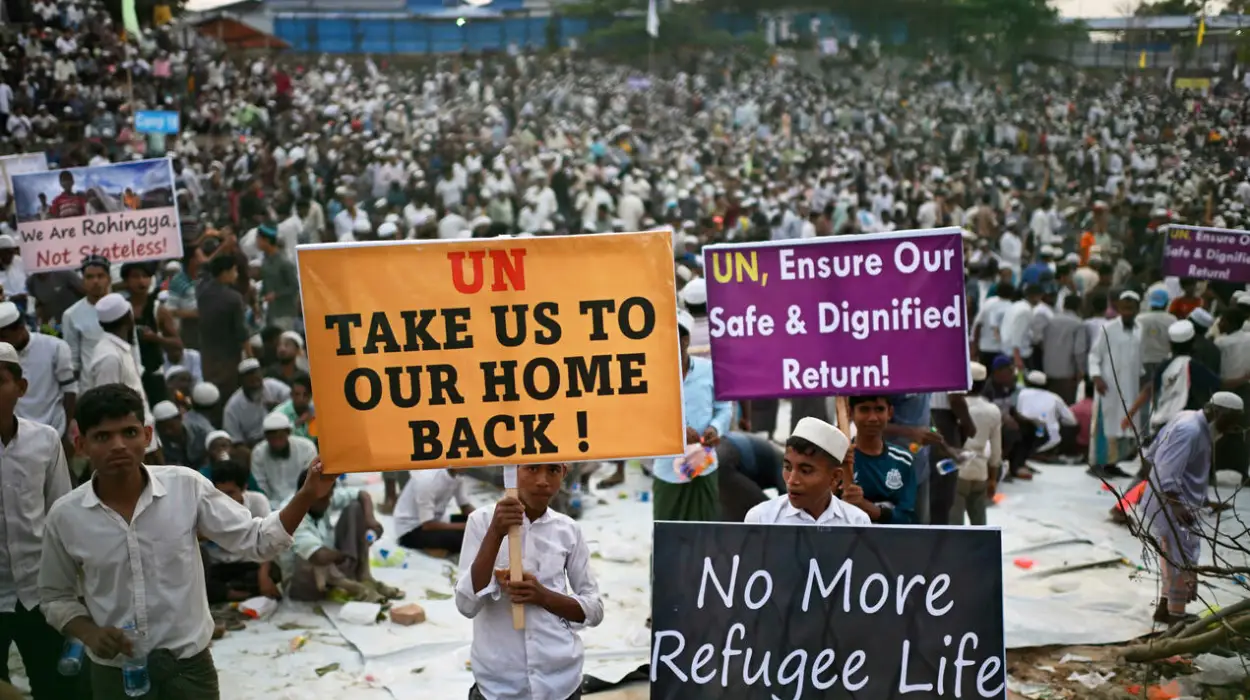
- Rohingya Muslims urgently appeal to the United Nations for intervention to halt ongoing killings in Myanmar.
- The violence against the Rohingya community in Myanmar continues unabated, leading to severe humanitarian distress.
- International observers and human rights groups have raised alarms about systematic abuses in the region.
- Rohingya leaders and activists call for immediate global action to protect their people and prevent further bloodshed.
- The United Nations has been urged to increase its presence and pressure Myanmar’s government to stop the killings.
- This plea follows years of persecution and recent escalation of violence targeting Rohingya Muslims.
- The humanitarian crisis includes mass displacement, widespread fear, and preventable deaths.
- Media outlets worldwide have covered various aspects of this crisis, quoting Rohingya representatives and international spokespeople.
What Are Rohingya Muslims Asking from the United Nations?
As reported by a correspondent from The Guardian, Rohingya Muslims have made a heartfelt plea to the United Nations to intervene and stop the killings taking place in Myanmar. This entreaty highlights the urgent need for international support to protect a community that has faced years of systematic persecution and recent escalations of violence. Rohingya leaders emphasize that without immediate intervention, numerous lives will continue to be lost in a brutal campaign of ethnic cleansing.
What Is the Current Situation for Rohingya Muslims in Myanmar?
According to reports by the BBC’s Asia correspondent, the Rohingya population in Myanmar remains subjected to violent attacks, forced displacement, and severe human rights abuses. The crisis has worsened recently with multiple documented incidents of killings, destruction of villages, and deprivation of basic needs such as food, shelter, and medical care. The humanitarian conditions have reached catastrophic levels, with thousands fleeing into neighbouring countries to escape the violence.
Why Has the International Community Not Stopped the Violence Before?
An analysis by Al Jazeera’s international affairs editor explains that longstanding political complexities and Myanmar’s government resistance have hindered effective international actions. Despite numerous United Nations resolutions and investigations, enforcement mechanisms remain weak. The report critiques the slow global response and calls for more robust diplomatic and, if necessary, economic sanctions to compel the Myanmar authorities to cease their actions against the Rohingya Muslims.
How Has the United Nations Responded So Far?
UN officials, as communicated by Reuters correspondent in New York, have condemned the violence and launched several humanitarian aid operations. The Secretary-General has publicly called for an immediate halt to hostilities and for respect of international human rights laws. However, the UN’s peacekeeping and monitoring activities are limited by Myanmar’s sovereign restrictions and ongoing political instability.
What Are the Implications of the Rohingya Crisis for Regional Stability?
Insight from the South China Morning Post highlights that the Rohingya crisis not only creates a humanitarian emergency but also destabilizes the surrounding regions. Countries like Bangladesh, Thailand, and Malaysia face challenges managing refugee influxes, straining their resources and social cohesion. Diplomatic tensions have arisen as nations debate their responsibilities and security concerns regarding displaced Rohingya populations.
What Are Rohingya Leaders Proposing for a Solution?
According to statements captured by humanitarian news agency IRIN, Rohingya representatives advocate for an immediate ceasefire, international protection forces, and a political process aiming at granting citizenship and equal rights to Rohingya Muslims in Myanmar. They stress that peace cannot be achieved without recognising their community’s fundamental rights and safety guarantees.
How Are Human Rights Organisations Involved?
Human rights watchdogs such as Amnesty International and Human Rights Watch, reported on by The Independent’s global affairs desk, have documented abuses and called for urgent action. Their campaigns include public awareness drives, lobbying governments to impose sanctions, and supporting refugee relief efforts. Their work aims to keep the Rohingya plight visible on the international stage and to press for accountability.