Key Points:
- Thirteen-year-old Nasima, a Rohingya refugee, voices fear of nighttime in Cox’s Bazar camp due to criminal gangs threatening safety, highlighting insecurity in the world’s largest refugee camp.
- Over 1.2 million Rohingya live in precarious conditions in Bangladesh after fleeing Myanmar since 2017 amid military crackdowns that involved killings and village razings.
- UN member states convened a High-Level Conference in late September 2025 calling for protection, justice, and conditions for voluntary, safe, dignified returns for Rohingya refugees.
- Louis Charbonneau of Human Rights Watch warned against forced repatriations to Myanmar due to ongoing apartheid-like conditions and crimes against humanity in Rakhine State worsened by military and Arakan Army conflict.
- Rohingya community leaders at the UN General Assembly spotlighted ongoing violence and humanitarian aid blockades in Myanmar, demanding justice and aid access.
- Rohingya activists and rights groups urge adherence to the principle of non-refoulement, insisting on protection against forced returns until conditions allow for safe repatriation.
- Humanitarian aid shortages severely impact Rohingya camps in Bangladesh, affecting food, healthcare, education, and increasing restrictions on movement and livelihood.
- He Rohingya crisis remains one of the world’s largest refugee and stateless population crises, with continuing threats and ethnic persecution inside Myanmar.
What is the current situation of Rohingya refugees in Bangladesh?
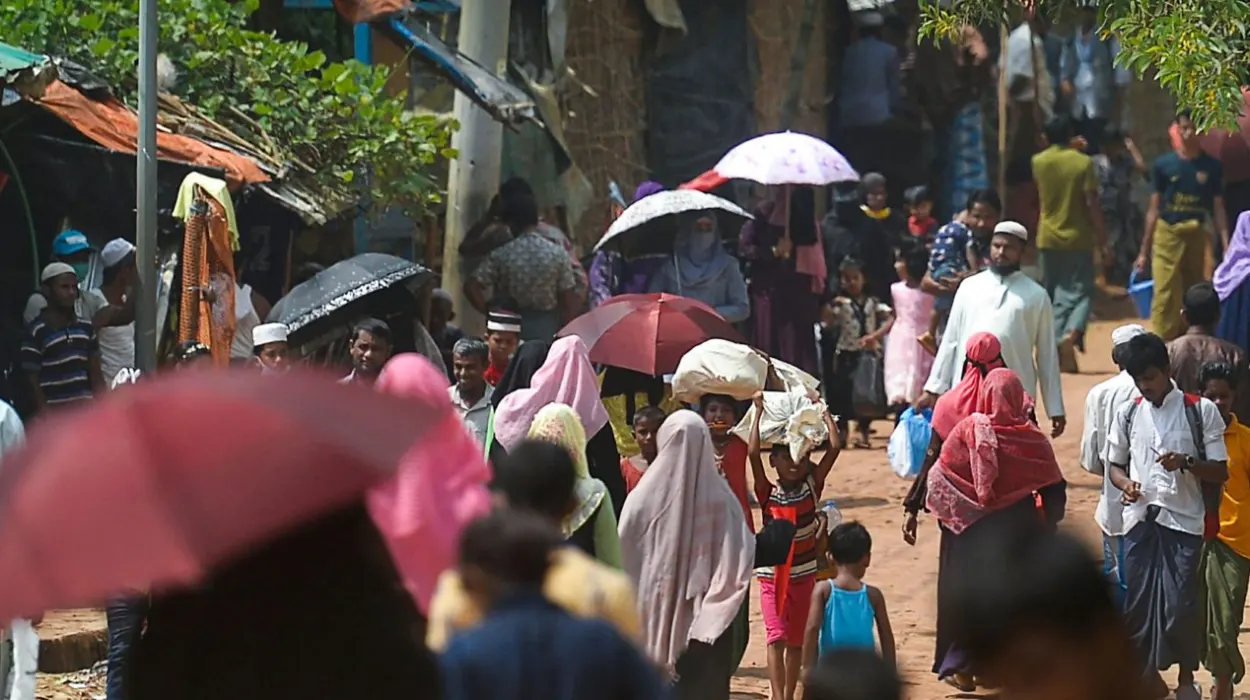
As reported by Joe Freeman and Carolyn Nash of Amnesty International and The New Humanitarian, thirteen-year-old Nasima lives in Cox’s Bazar, the world’s largest refugee camp, home to approximately 1.2 million Rohingya refugees. Nasima expresses profound fear of the night: “After 7pm, we turn off the light in fear of the robber.” The insecurity is tangible, with criminal gangs operating within the camp, restricting refugees’ movements at night, even for basic needs such as using the toilet. Nasima’s story is emblematic of the chronic insecurity faced daily by the vast Rohingya population displaced since the violent military crackdown in Myanmar in 2017, which displaced over 700,000 Rohingya into Bangladesh camps. Despite some opportunities like schooling and recreational activities, the harsh conditions and fears overshadow refugees’ lives.
Why have the Rohingya fled Myanmar and what ongoing dangers do they face?
The Rohingya are a persecuted Muslim minority from Myanmar’s Rakhine State who have faced decades of systematic denial of citizenship, marginalisation, and attacks, including military-led operations that destroyed villages and killed thousands. According to Concern Worldwide and UNHCR, the crisis is not isolated to 2017 but is part of a long history of ethnic and religious persecution, culminating in the largest stateless population worldwide. Since February 2021, a military coup in Myanmar exacerbated the conflict, with fighting between the junta and ethnic Arakan Army forces leading to increased human rights abuses against Rohingya, including extrajudicial killings, forced labour, and arbitrary detention. At least 150,000 Rohingya have fled again since 2024 due to escalating violence.
What did the recent UN High-Level Conference conclude about Rohingya protection and repatriation?
The United Nations General Assembly held a High-Level Conference on 30 September 2025 to address the Rohingya crisis. As stated by Louis Charbonneau, UN Director at Human Rights Watch, “UN members should make clear… forcing Rohingya to return to Myanmar under these conditions would place their lives at risk and violate their rights.” The conference emphasised the need for voluntary, safe, dignified, and sustainable repatriation conditions, which currently do not exist. The principle of non-refoulement was underscored—Rohingya refugees must be protected from forced returns that would endanger their lives. Humanitarian agencies and Rohingya activists called for greater international support for ongoing aid and for Bangladesh to ease camp restrictions to improve refugees’ quality of life and reduce dependency.
How are Rohingya community voices reflected in the international arena?
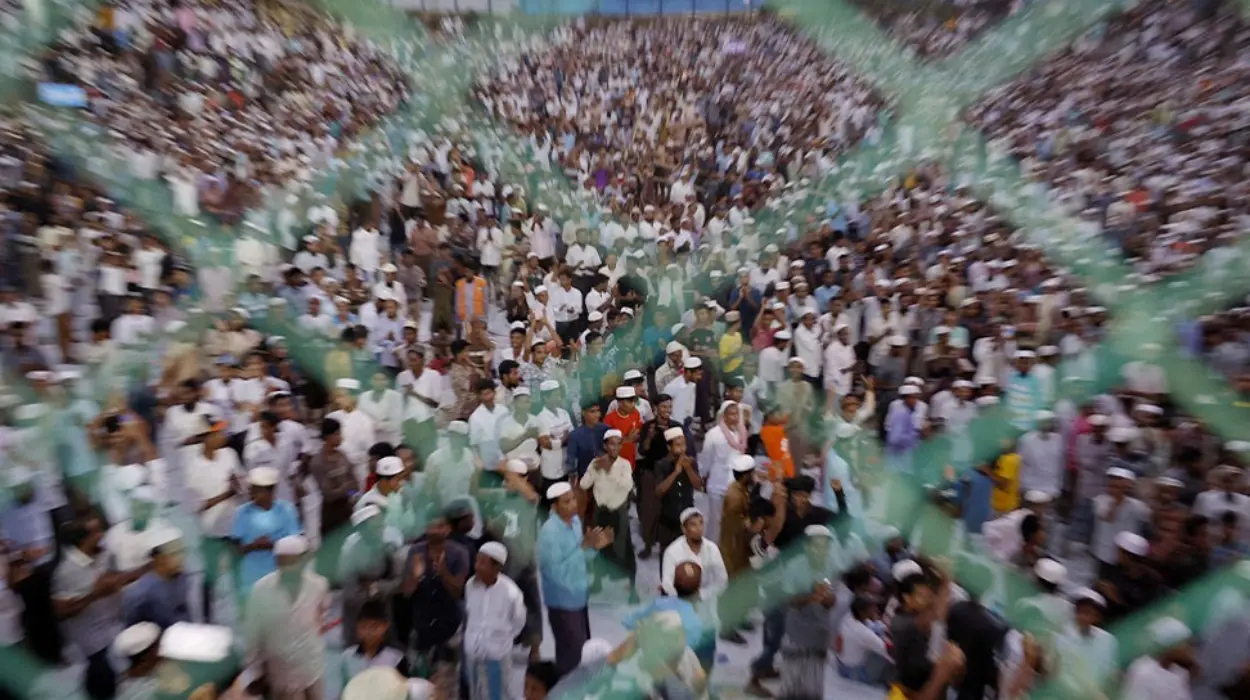
At the UN General Assembly, Rohingya representatives gave poignant testimonies. Ma Sawyollah, founder of the Rohingya Student Network, addressed global leaders with a powerful message: “Where is the justice for the Rohingya? Where?” He showed evidence of violent attacks such as a drone strike by the Arakan Army in August 2024, underlying the ongoing threats inside Myanmar. Ai W Nu, executive director of Women’s Peace Network-Myanmar, called the event “historic” and urged renewed attention on humanitarian aid blockades in Rakhine State, crucial for the survival of Rohingya still trapped in Myanmar. Their voices stress that justice, protection, and humanitarian access remain urgent priorities.
What humanitarian challenges are Rohingya refugees facing in Bangladesh?
Rohingya refugees in Bangladesh face escalating humanitarian crises. Aid funding shortfalls have resulted in cuts to food rations, healthcare, and education, increasing poverty and vulnerability inside the camps. According to statements by Rohingya advocates, freedom of movement is heavily restricted, which contributes to confinement, economic hardship, and heightened risk of criminal activity. The Interim Government of Bangladesh is urged to allow new arrivals and improve conditions by easing movement restrictions and supporting formal education aligned with Myanmar’s curriculum to empower refugees toward self-reliance.
Is there any hope for future repatriation and justice?
Despite the bleak scenario, there remains hope among refugees like Nasima, who dreams of becoming a lawyer. The international community acknowledges that durable solutions require peace, security, and the guarantee of Rohingya rights within Myanmar. Human rights experts stress that restoration of citizenship, an end to apartheid-like conditions, and accountability for crimes against humanity are prerequisites for meaningful repatriation. As Volker Türk, UN High Commissioner for Human Rights, noted, “Before discussing repatriation, it’s essential to ensure protection for those still in Myanmar. That’s where the solution begins.” Until these conditions are met, the Rohingya crisis remains a formidable test of global humanitarian commitment.