Key Points
- Rohingya Muslims in Myanmar face ongoing persecution, statelessness, and grave human rights abuses including apartheid and crimes against humanity.
- Over 1.2 million Rohingya live as refugees in Bangladesh camps, fleeing violence, forced labour, food crises, and armed conflict in Myanmar’s Rakhine State.
- Fighting continues between Myanmar’s military junta and ethnic Arakan Army, with both sides committing atrocities against civilians, especially Rohingya.
- The Arakan Army has replaced the military as oppressors in some areas, imposing restrictions, forced labour, and arbitrary detentions on Rohingya.
- Conditions in northern Rakhine State are dire with severe restrictions on movement, lack of healthcare, education, and humanitarian aid access.
- The UN General Assembly convened a High-Level Conference on the Rohingya crisis on 30 September 2025, urging urgent international action to protect Rohingya rights and prevent forced returns.
- International organisations including Human Rights Watch and Amnesty International document ongoing abuses, and stress that safe, voluntary, and dignified return is currently impossible.
- Rohingya activists, refugees, and UN officials emphasise the worsening humanitarian situation and call for sustained support and justice amid continuing violence and displacement.
What is the current situation of the Rohingya in Myanmar?
The Rohingya Muslims remain among the most persecuted minorities in Myanmar, enduring ongoing violence, discrimination, and exclusion. As Louis Charbonneau, UN director at Human Rights Watch, told the media: “The situation for Rohingya in Myanmar’s Rakhine State, where they are subject to apartheid and other crimes against humanity, remains dire.” The Rohingya have been systematically denied citizenship by the Myanmar government, resulting in statelessness and severe restrictions on their rights and freedoms.
Since the military coup in February 2021, conflict between the Myanmar junta and the ethnic Arakan Army in Rakhine State has intensified. Human Rights Watch and Amnesty International report abuses by both parties, including extrajudicial killings, widespread arson, looting, forced labour, arbitrary detention, and recruitment of civilians into fighting forces.
Amnesty International’s Myanmar Researcher Joe Freeman cautioned that “existing conditions in Myanmar’s northern Rakhine State are nowhere near ready for Rohingya to return safely.” The Arakan Army, which controls much of Rakhine, has enacted oppressive policies, frequently targeting Rohingya civilians who live under constant suspicion and fear.
Rohingya communities face severe restrictions on movement, bans on traditional livelihoods such as fishing, and lack adequate access to healthcare, education, and humanitarian aid. Meanwhile, the Myanmar military continues to use Rohingya civilians as human shields in battles against the Arakan Army, exacerbating civilian suffering.
How many Rohingya refugees are there and where do they live now?
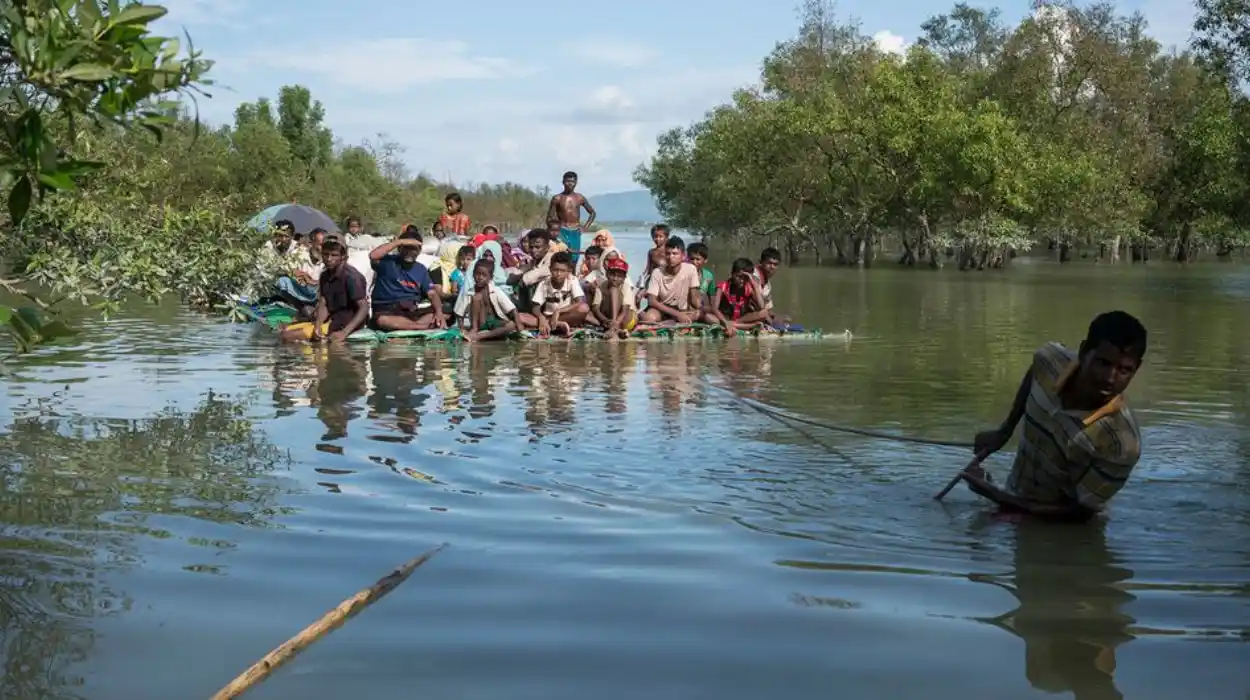
More than 1.2 million Rohingya refugees live in precarious conditions in Bangladesh, having fled decades of systemic persecution and several waves of violence, the worst outbreaks occurring in 2016–2017 and continuing with recent escalations since 2023. Refugees primarily reside in overcrowded camps in Cox’s Bazar and other border areas.
According to the UN refugee agency, over 150,000 Rohingya have fled Myanmar to Bangladesh since early 2024 alone, on top of the existing refugee population from previous waves. The refugees face malnutrition, scarce resources, and limited opportunities for education or work. Humanitarian agencies report that resources in the camps are running dangerously low and that some refugees risk dangerous sea routes as a desperate measure.
What was the outcome of the UN High-Level Conference on the Rohingya crisis?
On 30 September 2025, the United Nations General Assembly convened a High-Level Conference at UN Headquarters in New York focused on the Rohingya crisis, bringing together UN officials, member states, humanitarian actors, and Rohingya representatives. The conference aimed to galvanise international coordinated action to address protection, justice, and sustainable solutions for the Rohingya.
United Nations General Assembly President Annalena Baerbock opened with a powerful address, stating: “Houses burned. Neighbours killed. Hope vanishing.” She urged the world to recognise the Rohingya plight as a “test for humanity.” The conference underscored the dire conditions inside Myanmar’s Rakhine State and the urgent need for humanitarian assistance, protection of human rights, and justice for victims.
United Nations Secretary-General António Guterres called for a comprehensive, innovative, and concrete plan that includes voluntary, safe, dignified return, which is currently impossible due to ongoing conflict and abuses. The meeting stressed that forced repatriation under existing conditions would violate international law and place Rohingya lives at risk.
What are the main obstacles to Rohingya repatriation?
International actors, including Amnesty International and Human Rights Watch, agree that conditions in Myanmar’s northern Rakhine State are not conducive for Rohingya to return safely or with dignity. Continuous fighting between the Myanmar military and the Arakan Army creates an unstable and dangerous environment. The Arakan Army controls most of Rakhine and enforces oppressive measures against Rohingya, including forced labour and arbitrary detention.
The ongoing conflict has led to mass displacement within Myanmar and across borders, deepening food insecurity and lack of access to healthcare. Refugees and displaced persons frequently experience harassment, violence, and denial of citizenship rights. Amnesty International interviewed refugees who described the Arakan Army as a new oppressor, often worse than the military, with Rohingya caught in the crossfire and facing suspicion as alleged militants.
Moreover, cuts in international aid, including a notable reduction in US assistance, have worsened the humanitarian situation. Humanitarian groups report soaring prices and scarcity of essential supplies in Rakhine State and refugee camps. These multifaceted challenges render repatriation plans premature and likely catastrophic.
How has the international community responded to the crisis?
The Rohingya crisis has drawn global attention with multiple international investigations, UN resolutions, and human rights advocacy campaigns condemning Myanmar’s military abuses and calling for accountability. Various UN agencies and human rights organisations have documented evidence of ethnic cleansing, mass killings, sexual violence, and destruction of villages.
Despite these efforts, Rohingya communities continue to endure dire conditions. The UN High-Level Conference sought to renew political commitment and resource mobilization. Many member states pledged support, while Rohingya representatives voiced their concerns and desires for justice and recognition.
The conference highlighted the importance of sustained humanitarian aid and the imperative of protecting human rights. It also called for ending impunity for perpetrators and supporting Rohingya self-determination, citizenship rights, and social inclusion both inside Myanmar and in host countries.
What historical context explains the Rohingya persecution?
Persecution of the Rohingya traces back decades, with systemic discrimination entrenched for at least half a century. Under Myanmar’s 1982 citizenship law, Rohingya were effectively denied nationality, rendering them stateless. Ethnic and religious tensions, fueled by nationalist rhetoric and government policies, have escalated multiple times into violent crackdowns.
The most severe recent atrocities occurred in late 2016 and 2017, when Myanmar’s armed forces launched major operations in Rakhine State, causing mass displacement and deaths. The United Nations and international investigators have described these events as ethnic cleansing and genocide.
Satellite imagery and eyewitness testimony documented widespread village burnings, mass killings, sexual violence, and other grave crimes. Despite international outcry, the Burmese military denies allegations and obstructs independent investigations. The humanitarian repercussions continue to reverberate throughout the region.
What are Rohingya refugees saying about their future?
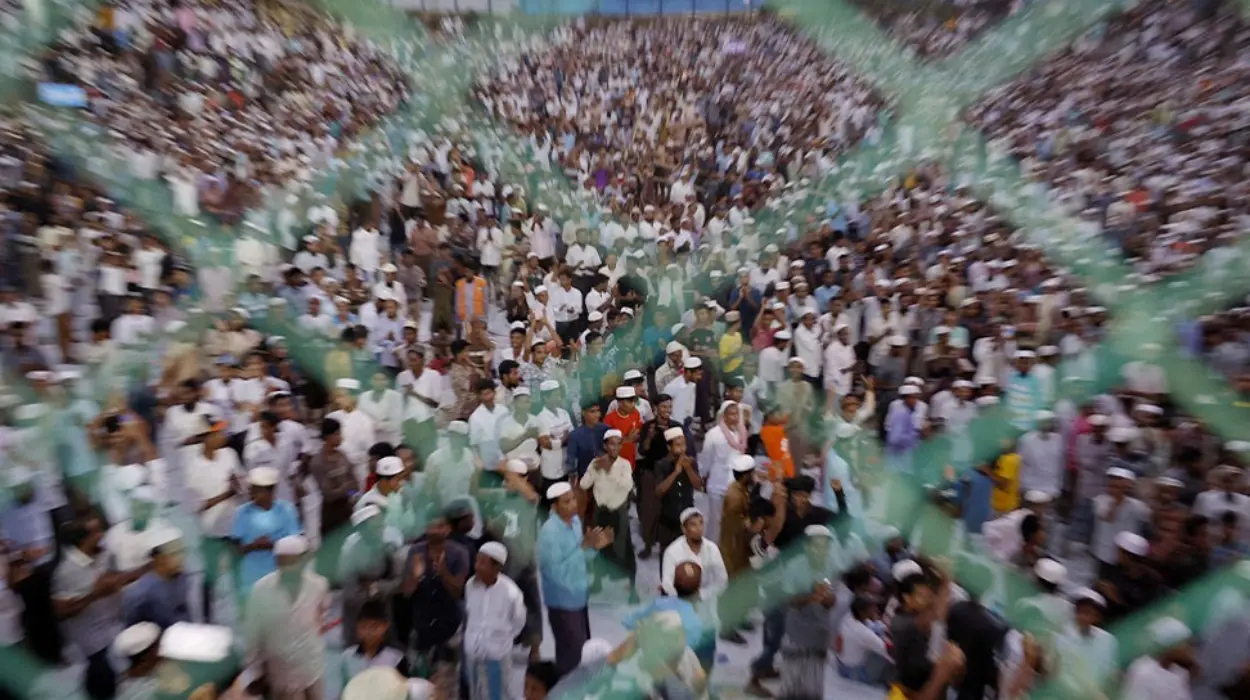
Rohingya refugees express deep fear, uncertainty, and frustration over their situation. Ahead of the UN conference, many said they feel unsafe and powerless, lacking control over their future. They emphasised the need for international protection, genuine pathways for return under safe conditions, and justice for past abuses.
Rohingya activists urged the global community not to forget their plight amid Myanmar’s worsening conflict and reduced aid. They call for an end to discriminatory policies, recognition of their citizenship rights, and efforts to rebuild their communities with dignity.