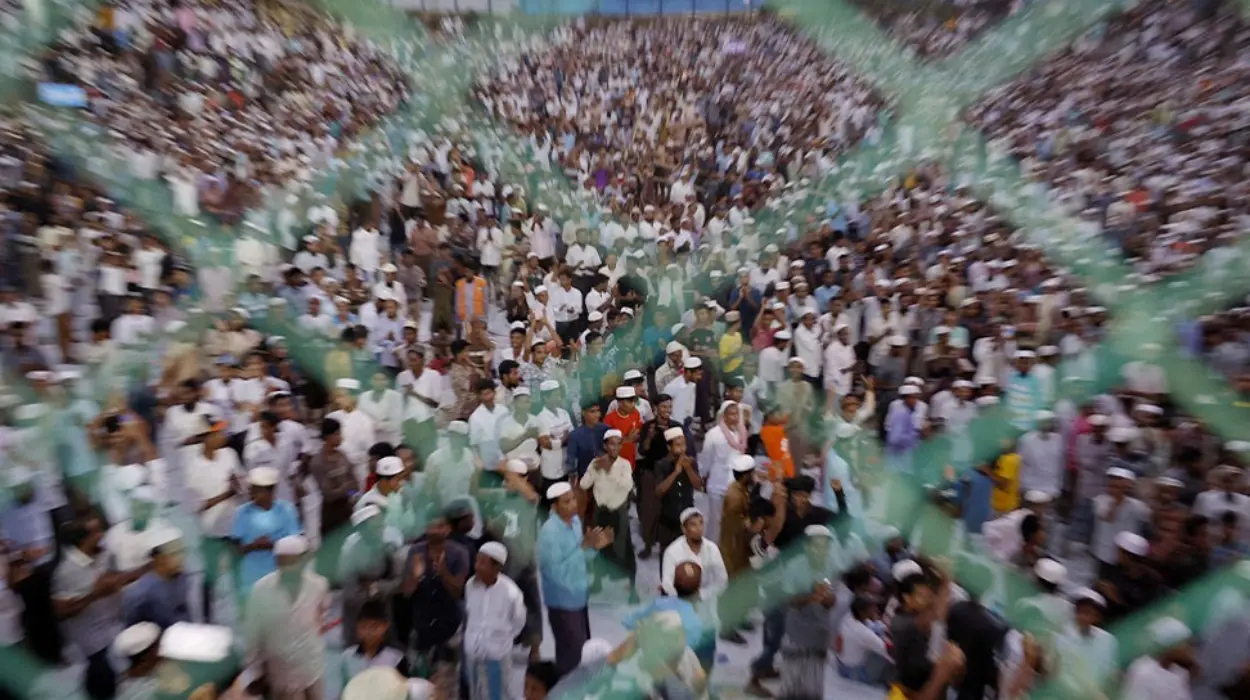
In a Refugees reeling from genocides, discrimination and ethinic cleaning, the health, rights, education and futures of girls are increasingly under threat of the Bangladesh rohingya camps.
Conflict, severe storms, drought, earthquakes and other disasters disrupt access to sexual and reproductive health services, expose girls to sexual violence and child marriage and curtail opportunities for education. Indeed, in the rohingya refugees camps affected by conflict, girls are 2.5 times more likely to be out of school than boys.
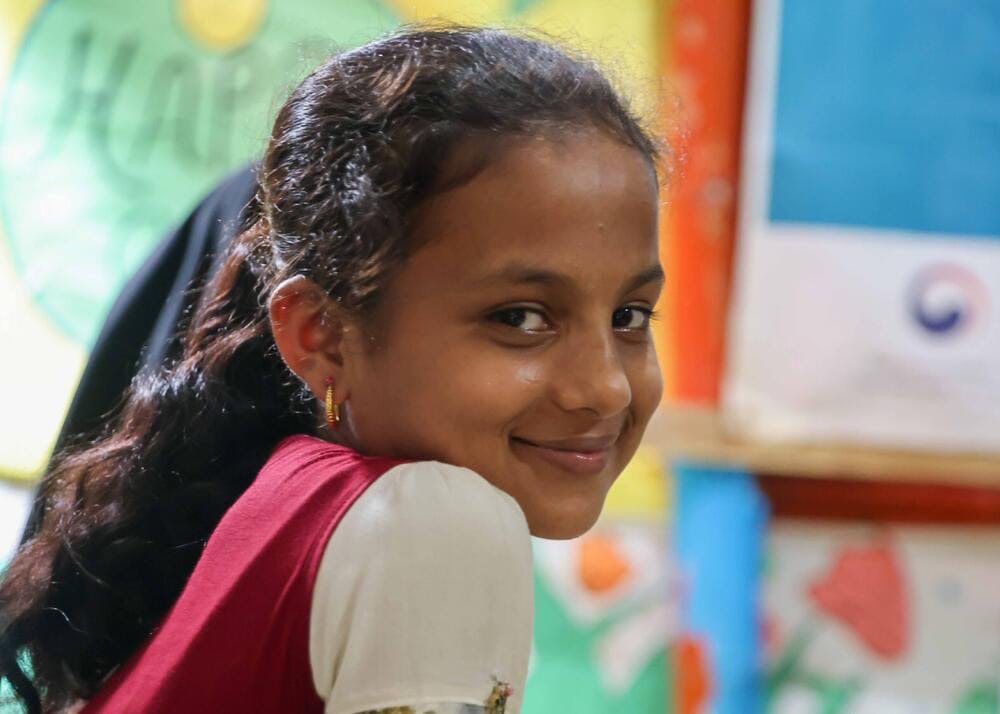
Yet girls are driving change: Adolescent girls across the world and especially in Bangladesh rohingya refugees camps are mobilizing their peers and communities to recover from crises and build peace, fighting for a future of safety and dignity for all. With this in mind, “The girl I am, the change I lead: Girls on the front lines of crisis.”
Girls and young women are harnessing the power of their own experiences – including gender discrimination and violence – to call for an end to harmful practices such as female genital mutilation and child marriage. They are standing in solidarity with the most marginalized groups, calling for protections for those left behind by gender, disability, race and other identities.
Every adolescent girl has the right to exert agency over her body and future. Realizing this vision requires increased investments in safe spaces, psychosocial support and programmes that empower girls, bolstering their hope and confidence in pursuing the lives they choose. Investments in youth-led organizations can strengthen the capacity of girls to advocate for their rights and be active agents of change in their communities.
In addition, age-appropriate, evidence-based sexuality education in out-of-school humanitarian settings is critical to helping girls build their knowledge and safely transition to adulthood.