𝗥𝗼𝗵𝗶𝗻𝗴𝘆𝗮 𝗦𝘁𝘂𝗱𝗲𝗻𝘁𝘀: 𝐃𝐫𝐞𝐚𝐦𝐬 𝐓𝐫𝐚𝐩𝐩𝐞𝐝, 𝐅𝐮𝐭𝐮𝐫𝐞𝐬 𝐃𝐞𝐧𝐢𝐞𝐝
Since 2012, Rohingya people in both Myanmar and Bangladesh have faced systematic barriers to higher education. In Myanmar’s Rakhine State, Sittwe University once admitted Rohingya students, but even then they were often restricted to basic fields of study such as B.A. or B.Sc., while medicine, law, and engineering were blocked to them. After the violence of 2012, the restrictions became much harsher. Students were not only denied professional courses but also required to obtain travel permits just to reach the university (Human Rights Watch, 2019).
In Bangladesh, the situation is different but equally painful. In the refugee camps of Cox’s Bazar, learning centers exist, yet they are informal and mostly unrecognized. Rohingya children are not allowed to enroll in Bangladeshi public schools or use the national curriculum. This effectively ends their education at a certain level with no path to university or professional training (Benar News, 2019; Human Rights Watch, 2025).
Some community-led schools charge small monthly fees, sometimes as little as fifty cents to five dollars but even that is beyond the reach of many refugee families who struggle to meet daily needs (Human Rights Watch, 2025). Teachers, often Rohingya themselves, work with little or no pay, driven only by their belief in education.
𝐌𝐲 𝐒𝐭𝐨𝐫𝐲 𝐚𝐧𝐝 𝐄𝐱𝐩𝐞𝐫𝐢𝐞𝐧𝐜𝐞
As a child, I dreamed of becoming a doctor. I imagined myself in a white coat, treating the sick and serving my community. Back then, I thought all I needed was determination. But as I grew older, I learned that being Rohingya meant this dream was impossible. Not because I lacked the ability or will, but because the system was designed to keep people like me out.
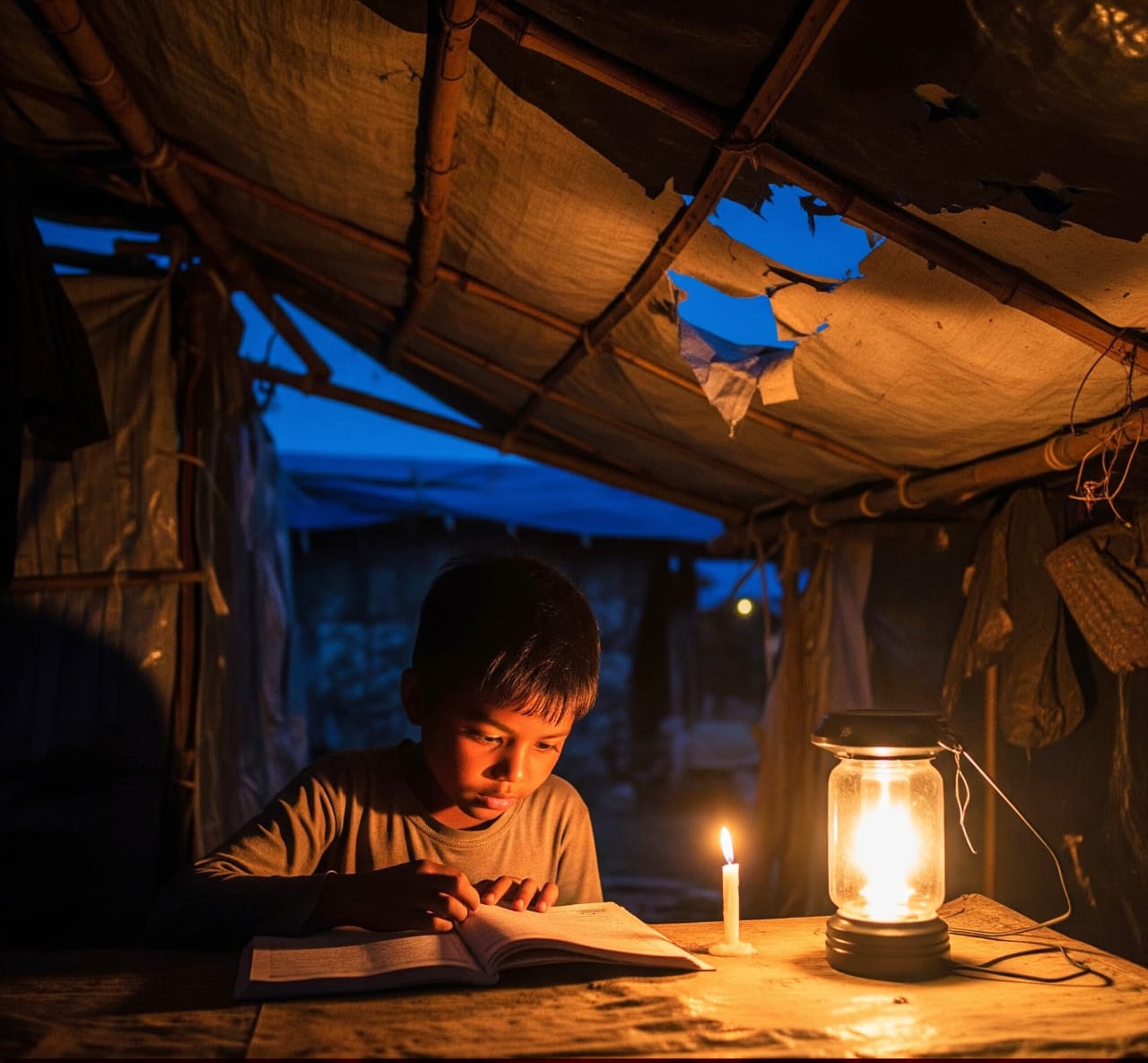
In the camps of Bangladesh, I saw other children with the same hunger for knowledge. They studied under tarpaulin roofs, reading by candlelight or by the dim glow of solar lanterns. Yet everyone knew that beyond secondary school there was a dead end. One Rohingya teenager once said to me,
“𝑰 𝒍𝒂𝒃𝒐𝒓 𝒐𝒗𝒆𝒓 𝒆𝒗𝒆𝒓𝒚 𝒔𝒖𝒃𝒋𝒆𝒄𝒕, 𝒃𝒖𝒕 𝒘𝒉𝒂𝒕 𝒈𝒐𝒐𝒅 𝒊𝒔 𝒌𝒏𝒐𝒘𝒍𝒆𝒅𝒈𝒆 𝒊𝒇 𝒏𝒐 𝒐𝒏𝒆 𝒘𝒊𝒍𝒍 𝒆𝒗𝒆𝒓 𝒂𝒄𝒄𝒆𝒑𝒕 𝒎𝒚 𝒄𝒆𝒓𝒕𝒊𝒇𝒊𝒄𝒂𝒕𝒆?”
That question still echoes in my mind.
𝐖𝐡𝐚𝐭 𝐈𝐭 𝐂𝐨𝐬𝐭𝐬 𝐔𝐬
- The impact of these restrictions is devastating.
- A generation of future leaders such as doctors, teachers, engineers are being lost before they even begin.
- Students complete lessons, but their certificates carry no recognition, so further study or formal employment is impossible (Human Rights Watch, 2025).
- Girls are especially affected with; education blocked, many face early marriage or are pushed into household work instead of being allowed to dream (Human Rights Watch, 2025).
𝐂𝐨𝐮𝐥𝐝 𝐈𝐭 𝐁𝐞 𝐃𝐢𝐟𝐟𝐞𝐫𝐞𝐧𝐭?
If Rohingya youth had access to higher education, the story would change. Imagine Rohingya doctors treating their own people, Rohingya lawyers advocating for justice, Rohingya teachers shaping the next generation. Education would give us the tools to rebuild, to rise above dependency, and to contribute to the world.
Nelson Mandela once said,
“Education is the most powerful weapon which you can use to change the world.”
For us, this weapon has been kept out of reach, leaving us defenseless against poverty, discrimination, and despair.
𝐌𝐨𝐫𝐚𝐥
To be denied education is not just to lose books or classrooms. It is to lose futures, identities, and voices. For Rohingya students, every closed school gate is more than a locked door, it is a message that their dreams were declared illegal before they even began.
References
Human Rights Watch (2019). “Are We Not Human? Denial of Education for Rohingya Refugee Children in Bangladesh.”
Benar News (2019). “Bangladesh Bans Rohingya Children From Formal Education.”
Human Rights Watch (2025). “Bangladesh: Foreign Aid Cuts Affect Rohingya Children’s Education.”